
BimaStreet Blogs

The Hidden Costs of Riding Without Valid Bike Insurance
BimaStreet Blogs, Two Wheeler insurance

The Hidden Costs of Riding Without Valid Bike Insurance

While having a bike is convenient, cheap and allows for traveling without any restrictions it also brings responsibilities. Some of the key ones are to keep your Bike Insurance policy up-to-date. On the one hand, some riders are regularly renewing their insurance, on the other hand, when their policy expires, it misses the memo about what that means financially and legally However, eventually a lot of riders believe that they just get slapped with traffic tickets for no insurance From a practical sense, it really can be much, much more expensive. A valid insurance policy provides financial coverage against damage to your bike due to accidents, theft, or third-party liability This guide explains the hidden costs of riding without valid Bike Insurance and why renewing your policy on time is essential Why Bike Insurance Is Important More Than a Legal Requirement Riding on the road requires at least third-party bike insurance in India. A valid policy not only protects you for liability of claims but also provides protection against covered risks, up to the limits specified in the policy. Bike insurance could provide coverage for (depending upon the policy type): Third-party liabilities. Damage to your own bike (comprehensive policies). Theft. Fire. Natural disasters. Man-made disasters Learning about your policy makes you familiar with where your content is protected. Hidden Cost #1: Legal Penalties Non-Compliance Can Be Expensive Driving without mandated insurance coverage may bring about consequences underneath the motor vehicle laws In addition to financial penalties, companies and individuals who violate these provisions will face legal consequences prescribed by law in the event of repeated violations. Maintaining the validity of your insurance policy does help you legally comply. Hidden Cost #2: Paying Repair Costs Yourself No Financial Support for Covered Damage If your insurance policy is no longer active, you may need to pay the full cost of repairing your bike following an accident or in the event that you are involved in a home or business damage claim Repair costs can be exorbitant, especially if large areas are affected Hidden Cost #3: Third-Party Liability Financial Responsibility You could be liable to pay compensation if your motorbike injures another person or someone else’s property This is where third-party bike insurance comes into play, as it will help settle such liabilities, depending on the terms of your policy and regulations in your city Hidden Cost #4: Loss Due to Theft Protection Against Unexpected Events Bike Theft is a huge problem in many parts of the world If your bike is stolen when you’re not insured (this may include a lapse in your policy), you might find yourself left without coverage A bike insurance policy provides coverage for theft and you will be getting the benefit of it subject to the indemnity period preparations in your policy Hidden Cost #5: Policy Renewal Challenges Don’t Ignore Expiry Dates This would also mean extra steps in the renewal process if you choose to let your insurance policy lapse Insurers vary in requiring that you go through some inspections or other requirements before the policy can be renewed In case your policy is about to expire then it is better to renew it before then and then you will not face any trouble Tips to Keep Your Bike Insurance Active Simple Steps Every Rider Should Follow To avoid coverage gaps: Renew your policy before the expiry date. Keep your contact details updated. Read your policy terms carefully. Compare plans before renewal. Choose suitable add-on covers if required. Save digital copies of your insurance documents Policy reviews regularly provide pertinent information that ensures ongoing protection Frequently Asked Questions Is bike insurance mandatory in India? Yes. Indian laws mandate third-party bike insurance to ride legally on public roads. What happens if my bike insurance expires? You risk losing coverage if the policy expires since it would be until the time you renew the policy. Moreover, you may also be liable to legal action which prohibits riding without the necessary insurance. Should I renew my bike insurance before expiry? Yes. Timely renewal helps in maintaining the flow of coverage and might even help you from going through extra renewal processes Conclusion Keeping a valid piece of Bike Insurance is about more than just fulfilling a statutory necessity It protects you from financial loss that is sudden and unpredictable, third-party liability, theft and other covered perils Not having coverage puts you at risk for costly expenses that may have been avoided with appropriate insurance adjustment Renew your two-wheeler insurance on time by reviewing your coverage and comparing the available alternatives before expiry of your policy.  Having insurance means not only are you doing it legally but also have more confidence in your finances every time you take out the bike At BimaStreet, we believe informed decisions lead to better protection. Understanding your options today can help you secure a healthier and more financially confident tomorrow
What Coverage Do You Actually Need in Bike Insurance - Bike Insurance Coverage
BimaStreet Blogs, Two Wheeler insurance

What Coverage Do You Actually Need in Bike Insurance?

Getting bike insurance isn’t just about meeting a legal requirement it is also about providing you protection against an unanticipated financial loss Regardless of how you use your bike whether for daily commuting occasional weekend rides or long-distance travel selecting the right Bike Insurance Coverage can help keep your finances in order when an accident or other insured incident takes place. While riders buy a policy without realizing the extent of what that covers As a result, they may only realize that gaps in their protection exist when the filing of a claim is necessary The more you know about all the different coverages and optional benefits the better your chances at finding a policy that fits both your wallet and your riding habits The basics of Bike Insurance Coverage & what you need to evaluate before purchasing or renewing your policy are discussed in this guide What Is Bike Insurance Coverage? Understanding Your Policy Bike Insurance Coverage will keep you insured against the risks ensured and provided in your insurance policy that too according to what is stated in the policy. Coverage under a policy can cover certain aspects depending on what you select Third-party liability. Damage to your own bike. Theft. Fire. Natural calamities. Man-made disasters. Personal accident benefits (where applicable). Optional add-on covers. Being aware of these advantages makes you capable of making better insurance decisions. Third-Party Insurance vs Comprehensive Insurance Know the Difference In India, third-party bike insurance is compulsory before we can ride on public roads It is usually designed to cover legal responsibilities arising from injury, death or property damage for a third party Comprehensive bike insurance, on the other hand, provides wider coverage by including third-party liabilities and insured loss to your own bike arising from covered events such as accidents theft fire and particular natural or man-made disasters subject to policy terms Which one to go with depends on the value how it gets used and how much protection you would like for your bike Important Add-On Covers to Consider Optional Protection for Greater Peace of Mind Most insurers now offer add-on covers that can improve your policy. Common options include: Zero depreciation cover. Roadside assistance. Engine protection cover. Consumables cover. Return to invoice cover. Key replacement cover. Choose add-ons depending on your riding style, the age of your bike and whether you can afford it Understand the Insured Declared Value (IDV) Why IDV Matters Insured Declared Value (IDV) is the approximate value at risk that you insure your bike for, and this number plays a crucial role in calculating both your premium as well as the maximum claim amount that you can make in an event like a total loss or theft. While renewing the insurance, assess the IDV to check if it is still adequate as per your bike Understand Policy Exclusions Know What Isn’t Covered Every bike insurance policy comes with exclusions. Before buying a policy, review: Coverage limitations. Exclusions. Deductibles. Claim conditions. Waiting requirements, if any Knowing these terms minimizes confusion during the settlement of a claim. How to Choose the Right Bike Insurance Coverage Smart Tips Before You Buy Please keep in mind before you select a policy: Compare multiple insurance plans. Evaluate coverage instead of premium alone. Read the policy wording carefully. Choose only relevant add-on covers. Check the insurer’s network garages. Understand the claim process. Review customer support services It is finding the sweet spot of insurance and cost Frequently Asked Questions Is third-party insurance enough for my bike? You are forced to have third-party insurance for riding on public roads, but typically it does not cover damage to your own bike. Most riders purchase comprehensive insurance for additional coverage. Are add-on covers compulsory? No. The add on covers are optional, and can be chosen according to your needs, purpose of using the bike and affordability Should I review my bike insurance every year? Yes. During the renewal period, it is a good opportunity to review your policy as you can modify your coverage, IDV and add-on covers as per your requirement Conclusion Selecting good Bike Insurance Coverage is not a deal of luck but more about knowing a calculated risk and picking the coverage that suits best your need Third-party insurance satisfies the legal requirement but full coverage and appropriate add-ons may afford greater protection financially, depending on your situation. Compare policies before buying or renewing your bike insurance plan, read terms including the coverage with exclusions carefully, and understand how the claim process works. Use your time to make the right decision today and enjoy a higher level of financial protection so you can ride with even greater confidence At BimaStreet, we believe informed decisions lead to better protection. Understanding your options today can help you secure a healthier and more financially confident tomorrow
Bought a New Bike Here the insurance check - New Bike Insurance
BimaStreet Blogs, Two Wheeler insurance

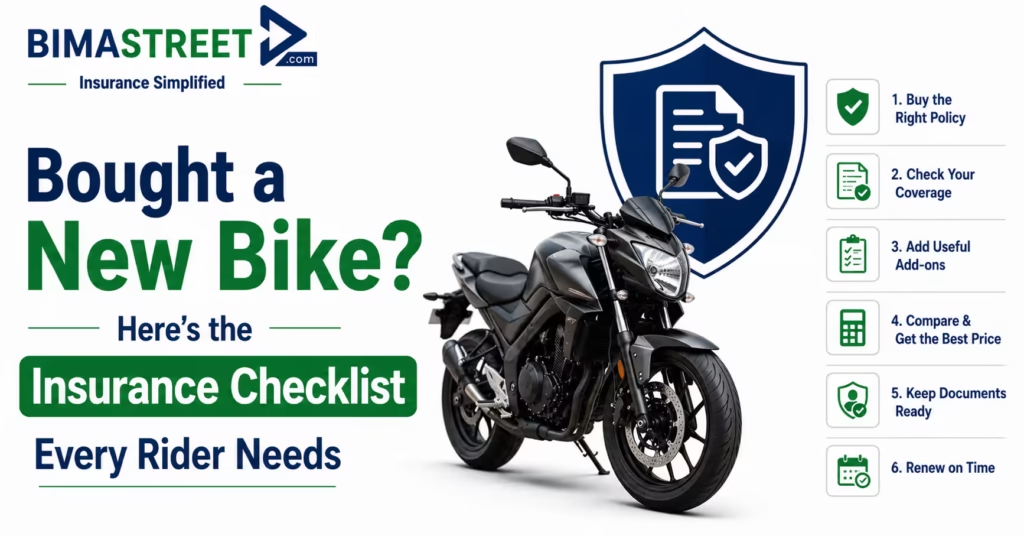
Bought a New Bike? Here’s the Insurance Checklist Every Rider Needs

A new bike is always thrilling to buy, regardless of whether it was your first motorcycle or an upgrade to a higher model. After selecting the right bike, buying a right New Bike Insurance policy is also very important Most dealerships allow insurers during the transaction but often riders accept the recommended policy that is almost never explained without really knowing what coverage they may receive and other details Buyers Guide The right bike insurance can protect you against damages or losses from accidents, theft, natural disasters and fire which is not covered under a third-party liability, as long as the terms and conditions of the policy are met Spend another few minutes examining your insurance before getting on that new bike, and save yourself the headache down the road This checklist covers the key points every rider must check before buying New Bike Insurance Why Is New Bike Insurance Important? Protect Your Bike from Unexpected Risks A bike is something of value, and a reasonable incident can result in costly repairs or damages A good New Bike Insurance policy minimizes the incidence of these financial risks while ensuring you stay on the right side of law with respect to riding down public roads. Having the right coverage from the outset instills more confidence each time you sit on your bike. Checklist #1: Choose the Right Type of Insurance Understand Your Coverage Options Know What Covers Under New Bike Insurance Before You Buy Generally, bike insurance includes: Third-party insurance. Comprehensive insurance. In plenty of places in the world, you need third-party insurance to ride on public roads and third party coverage doesn’t cover your own bike comprehensive insurance is simply more extensive because it covers not only other motorists but also your own motorcycle against most insured risks Select a policy that fits your riding style and coverage requirements Checklist #2: Check the Insured Declared Value (IDV) Know Your Bike’s Insured Value Insured Declared Value is the value for which your bike is insured and it influences the premium as well as your claim amount in case of total loss/theft Review the IDV mentioned in your policy and understand how it affects your insurance coverage Checklist #3: Review Add-On Covers Choose Useful Optional Benefits Most insurers also provide optional add on covers that enhance your level of protection Common add-ons include: Zero depreciation cover. Roadside assistance. Engine protection. Consumables cover. Return to invoice cover. Key replacement cover. Choose add-ons according to budget, the age of your bike and your riding needs then select each available add-on Checklist #4: Check the Network Garage List Cashless Repairs Can Be Convenient Cashless repairs facility by insured network garages Many insurers offer cashless repair facilities by availing of their owned cashless garage network Before purchasing your policy: Check nearby network garages. Understand the cashless claim process. Review customer support availability. If you have to file a claim, it can be easier if your policy has access to a large garage network for repairs Checklist #5: Understand Policy Exclusions Know What Your Insurance Doesn’t Cover All bike insurance policies have certain exclusions and conditions. Make sure you go through your policy to see Exclusions. Deductibles. Coverage limits. Policy conditions. Claim requirements. This knowledge prepares you to settle claims without misunderstanding Checklist #6: Compare Policies Before Buying Don’t Accept the First Policy Offered Dealerships frequently organize insurance, but it might be beneficial to compare among policies of various insurers to make a more informed purchase Compare Coverage benefits. Premium. Claim support. Network garages. Add-on covers. Policy exclusions. A value-based approach vs a price-based approach to choosing a policy will likely give you better protection for the long-term Checklist #7: Read the Policy Documents Understand the Fine Print Review before buying New Bike Insurance: Policy wording. Coverage details. Claim procedure. Renewal terms. Emergency contact details. It Preparation can help ease process of claims Common Mistakes New Bike Owners Should Avoid Make Informed Insurance Decisions Avoid these common mistakes: Choosing insurance based only on premium. Ignoring policy exclusions. Selecting unnecessary add-ons. Not comparing different policies. Failing to read the policy document. Allowing the policy to lapse. Knowing this allows you to know what protection fits your new bike Frequently Asked Questions Is comprehensive insurance better for a new bike? A complete insurance cover is preferred by many new bike owners because it provides greater coverage compared to third-party insurance. The best choice depends on your personal needs and budget Are add-on covers necessary? Custom covers are not required, but they can be an extra measure of insurance against your driving habits and the worth of your motorcycle Can I buy bike insurance from a company other than the dealership? Yes. You virtually have the liberty to evaluate insurance policies amongst differing insurers or even insurance intermediaries just before you purchase your own Conclusion Selecting the New Bike Insurance is essential to ensuring your investment and minimizing losses. Compare coverage options, review IDV, check for exclusions, evaluate add-on covers, view network garages and claim process before finalising your policy. Invest some time to be informed on your insurance today so you can make the best choices, spend less unnecessarily and ride more confidently every-time At BimaStreet, we believe informed decisions lead to better protection. Understanding your options today can help you secure a healthier and more financially confident tomorrow
How to Reduce Your Bike Insurance Premium Without Reducing Protection - Reduce Bike Insurance Premium
BimaStreet Blogs, Two Wheeler insurance

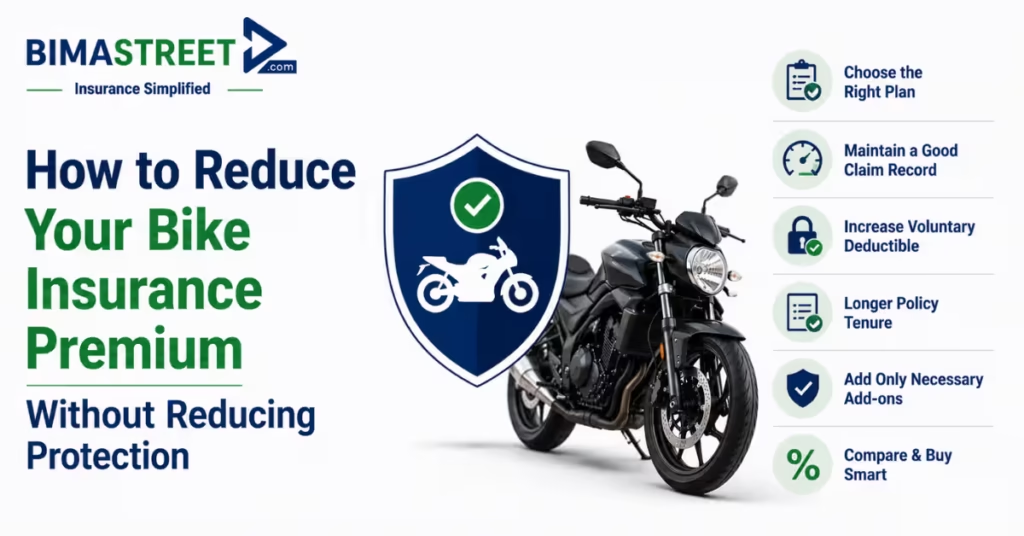
How to Reduce Your Bike Insurance Premium Without Reducing Protection

Owning a bike is comfortable, cheap and flexible for the daily commute But it is one of the very crucial responsibilities relating to your bike insurance which also has an impact on your finances that you have to renew it every single year Some riders are simply interested in finding the best way to reduce bike Insurance Premium but picking the cheapest policy or getting a low amount of coverage could put them at financial risk when an unexpected event happens The bright side is that there are so many clever methods for you to lessen the rate charge of your Bike Insurance Premium without giving up on the coverage furnished by your policy Once you understand how insurers calculate premiums So, What Are Premiums in Insurance? and consider the policy thoroughly, you can adequately make arrangements between coverage and affordability This guide explains practical strategies to Reduce Bike Insurance Premium cost while maintaining sufficient protection. How Is Your Bike Insurance Premium Calculated? Factors That Influence Premiums The insurance premium for the bike is calculated based on the following factors Make and model of the bike. Engine capacity (CC). Age of the vehicle. Insured Declared Value (IDV). Registration location. Type of insurance policy. Selected add-on covers. Claim history. Underwriting guidelines. By knowing about these aspects, you can find avenues for slashing down your premium. Compare Insurance Plans Before Renewal Don’t Renew Without Comparing Most riders instead just roll over their existing renewal, unaware of whether or not to consider switching out. You can compare insurers policies in terms of premiums, coverage, claim support, network garages and add-on covers Opting for policy after comparing benefits and not just price can give good coverage value Maintain Your No Claim Bonus (NCB) Reward for Safe Riding If you do not file an own damage claim within a policy year, you may be eligible for No Claim Bonus (NCB) based on the terms and conditions set by your insurer Your NCB held on during the policy period can help you limit your own-damage premium at renewal and promote safe riding practices Choose Add-On Covers Carefully Pay Only for What You Need The coverage provided by an add-on is extended but with a higher premium Before you go for optional covers such as Zero depreciation cover. Roadside assistance. Engine protection. Consumables cover. See if they fit your riding style, bike vintage and budget. Only select add-ons that are pertinent to the coverage required as it helps defray premium amounts Review the Insured Declared Value (IDV) Understand Your Bike’s Insured Value. The IDV stands for Insured Declared Value, and it is basically the amount for which you are insured for your bike and in few cases of claims how the premium or claim is calculated Confirm the IDV chosen is suitable according to the age and condition of your bike. An awareness of what IDV is can aid you in determining whether or not to renew Renew Your Policy Before It Expires Avoid a Policy Lapse Timely renewal of your bike insurance ensures continuous coverage, along with retaining the benefits stemming from the previous policy like No Claim Bonus (NCB), wherever applicable If you let your policy lapse, it may mean extra inspections or paperwork to restore coverage Ride Safely and Maintain Your Bike Good Habits Can Make a Difference However, safe driving and keeping your vehicle in optimal shape is often able to avoid accidents or unanticipated repairs Follow these best practices: Service your bike regularly. Check tyres and brakes. Follow traffic rules. Wear a certified helmet. Avoid risky riding behaviour. More mature riding results in improved ownership down the road Common Mistakes to Avoid Don’t Focus Only on the Lowest Premium Avoid these common mistakes: Choosing a policy based only on price. Ignoring policy exclusions. Buying unnecessary add-ons. Allowing the policy to lapse. Not reviewing coverage at renewal. Failing to compare insurers. The aim should be to save money and not compromise a crucial defence Frequently Asked Questions Can I reduce my bike insurance premium without reducing coverage? Yes. You can compare policies, keep your No Claim Bonus intact, renew before the expiry date, buy add-ons that you need and review your coverage to avoid paying exorbitant premium amount for something essential. Does a No Claim Bonus reduce the premium? A No Claim Bonus provides most insurance providers with a discount on the own-damage premium offered to qualifying customers, as determined by the terms and conditions of each insurer Should I always choose the cheapest bike insurance policy? Not necessarily. While comparing the premium, also look at coverage, claim support, exclusions, network garages and policy features Conclusion Lowering your Reduce Bike Insurance Premium does not equate to losing out on financial security You can make smarter insurance decisions best suited to your needs and budget by comparing policies, keeping your No Claim Bonus intact, choosing add-on covers judiciously, renewing the policy on time and knowing the coverage It is advisable to carefully check the policy features, claim process, exclusions and benefits before renewing your bike insurance While a good decision requires consideration and monitoring on your part, it can also result in consistent protection, more bang for your buck with lower premiums, and increased peace of mind while you ride At BimaStreet, we believe informed decisions lead to better protection. Understanding your options today can help you secure a healthier and more financially confident tomorrow
Why Most Bike Insurance Claims Get Delayed or Rejected - Bike Insurance Claim Rejection
BimaStreet Blogs, Two Wheeler insurance

Why Most Bike Insurance Claims Get Delayed or Rejected: Common Mistakes to Avoid

When purchasing bike insurance you are actually conveying the financial protection that has been noticed to the risks of an accident, theft, natural disasters and other covered perils occurring by anyone on your two wheeler Although insurers wish to settle valid claims, the claim process is contingent on the policy, the documents submitted and facts of the event An awareness about the reasons for Bike Insurance Claim Rejection is of paramount importance since making a mistake can hinder the claim settlement process No matter if you have a commuter motorcycle or a performance premium bike, it can be smoother and less stressful on the process by following the correct claim procedure The following guide discusses why Bike Insurance Claim Rejection can be delayed or denied and offers some practical tips to safeguard your insurance covered benefits Why Do Bike Insurance Claims Get Delayed? Several Factors Can Affect Claim Processing Insurance companies only confirm payments after verifying each claim. Delays may occur if: Required documents are missing. The accident was reported late. Vehicle inspection is pending. Additional information is required. Repair estimates are incomplete. The claim requires further verification. The more information you provide from the outset, the less time we will waste going back and forth over trivial matters. Reason #1: Delayed Intimation to the Insurance Company Report the Incident Promptly Once you’ve taken care of yourself, report the incident to your insurer as soon as practicable Reporting a claim promptly enables the insurer to quickly register your claim, walk you through the process and schedule a survey or an inspection if necessary When reporting the incident, provide: Date and time of the accident. Exact location. Brief description of what happened. Photographs or videos, if available Keeping the communication channel open aids in quick claim processing Reason #2: Incomplete or Incorrect Documentation Submit All Required Documents One of the most common causes of Bike Insurance Claim Rejection is incomplete documentation You may require based on the claim: Insurance policy copy. Registration Certificate (RC). Driving Licence. Claim form. Repair estimate. Photographs of the damage. FIR (where applicable). Identity proof. Always confirm the documents needed with your insurer Reason #3: Repairing the Bike Before Approval Follow Your Insurer’s Claim Procedure Lots of policyholders fix their bikes after an accident. The new system also explains that in some cases, an inspection or approval prior to repairs may be required as well by the insurer and will depend on their process Before authorising repairs: Inform your insurer. Wait for inspection if required. Obtain repair estimates. Keep repair invoices safely This makes it easier to avoid unnecessary complications following the claim process Reason #4: Providing Incorrect Information Accuracy Is Essential Insurance companies closely vet claims. Ensure that information related to: Accident details. Rider information. Vehicle damage. Previous claims. Supporting documents. is accurate and complete False or misrepresentation can result in further investigation and can impact claim settlement Reason #5: Policy Exclusions Know What Your Policy Covers Every bike insurance coverage doesn’t cover all forms of loss Losses that fall in the realm of uninsurable events such as acts of God, or if policy stipulations are not fulfilled may result in no payment on a claim. Before filing a claim, review: Covered risks. Exclusions. Deductibles. Add-on covers. Policy conditions. Knowledge of your policy will stop unrealistic expectations Reason #6: FIR Requirements File an FIR When Necessary An FIR might be required in the following scenarios, and it is mandated by your insurer Bike theft. Serious accidents. Hit-and-run cases. Certain third-party claims Double-check with your insurer or local authorities if you’re doubtful Reason #7: Expired Insurance Policy Keep Your Policy Active Sometimes, insurance provides coverage only for a claim that occurred while the policy was in effect; if your policy expired before the incident, it may not provide any coverage. To avoid this: Renew your policy before expiry. Update contact details. Review coverage annually. Keep policy documents accessible With continuous coverage, you get uninterrupted financial protection. Tips to Reduce the Risk of Bike Insurance Claim Rejection Best Practices for Policyholders Follow these simple tips Report accidents promptly. Read your policy carefully. Maintain all vehicle documents. Keep photographs of the damage. Follow the insurer’s claim instructions. Provide truthful and complete information. Preserve repair bills and invoices. Based on better preparation, the claim process can also be much smoother Frequently Asked Questions Can a bike insurance claim be rejected for late reporting? Delayed reporting can lead to further verification by your insurer, sometimes adding delays to the process and possibly running afoul of your insurer’s policy terms. But always remember, you should inform your insurer as soon as practically possible Is an FIR required for every bike insurance claim? No. Usually, FIR is only necessary in exceptional cases such as theft, serious accidents (accidents resulting in grievous injuries or death), hit-and-runs and those situations which the insurer or law mandates Can I repair my bike before informing the insurer? It is advisable to contact your insurer first and follow the claim procedure. Some insurers may require an inspection or approval before repairs begin Conclusion Most often Bike Insurance Claim Rejection or delay can be avoided easily by knowing your policy well, reporting the accident on time, submitting all important documents relating to the claim and following the claim process as per instruction of the insurer Each claim will be evaluated on the actual circumstances and under terms of the policy, but having everything in order and responding correctly can help mitigate some claims frustration Thus it is essential to compare the features, coverage and exclusions before buying as well as renewing bike insurance. Knowing today will better prepare you to deal with the challenges presented that may present themselves unexpectedly and provide you a much-needed guardrail for financial security while driving At BimaStreet, we believe informed decisions lead to better protection. Understanding your options today can help you secure a healthier and more financially confident tomorrow

Had a Bike Accident 9 Insurance Mistakes That Can Cost You Thousands - Bike Insurance Claim
BimaStreet Blogs, Two Wheeler insurance

Had a Bike Accident? 9 Insurance Mistakes That Can Cost You Thousands

No matter where you are riding, a bike accident can occur in the blink of an eye while commuting to work, traveling down a highway or riding through busy city roads. Accidents can happen to even the most seasoned riders,  given poorly maintained roads, inclement weather or the negligence of other drivers.  Although bike insurance provides you a safety net in terms of finances, some steps can also help prepare your claim more efficiently. However many riders end up making mistakes unknowingly by delaying the claim intimation not collecting sufficient evidence or even being unaware of their policy terms.  Such errors can result in multiple verifications, frustrating delays in claim processing, and even a difficult settlement process. Knowing the step wise Bike Insurance Claim process will save you time and help you avoid confusion in a stressful situation as it is. Mistake #1: Delaying the Claim Intimation Inform Your Insurer Promptly Call your insurance company at the earliest possible time only after making sure you are safe, and going to a doctor or hospital if necessary.  The insurer will quickly register your claim and then help with what happens next, When you file the report about the accident, also include exact information of when and where you were as well as the specifics of what happened.  Reaching out sooner can expedite a claim. Mistake #2: Not Collecting Evidence Document the Accident Scene Immediately after the accident, gather evidence if it is safe to do so. Useful evidence includes: Photographs of your bike. Images of the accident location. Photos of the other vehicle, if involved. Road conditions. Vehicle registration numbers. Contact details of witnesses. Proper documentation can help strengthen your Bike Insurance Claim if more money is needed. Mistake #3: Repairing the Bike Before Inspection Follow Your Insurer’s Claim Process Most insurers can get the damaged bike inspected before any repairs start. If work has begun before you have notified the insurer it can complicate the claims process. Get in touch with your insurer first, and understand the claims process as you may need approval to start repairs. Mistake #4: Not Filing an FIR When Required Know When an FIR May Be Needed An FIR may be required in situations such as depending on the conditions and your insurer: Bike theft. Serious injuries. Fatal accidents. Hit-and-run cases. Certain third-party claims Check with your insurer or approach the local police authorities if not sure. Mistake #5: Admitting Fault at the Accident Scene Stick to the Facts It is normal to apologize after an accident but statement should be made which are not accepted as taking responsibility Stay calm, cooperate with police and only share the truth.  In any case, the insurer and other relevant authorities would look into the facts surrounding such an incident based on available evidence. Mistake #6: Providing Incorrect Information Accuracy Matters Every claim made is reviewed against the information provided by insurance companies. Ensure that details regarding: Accident time. Accident location. Rider details. Vehicle damage. Supporting documents. are accurate and complete. Providing false or inaccurate information can impact the ability to make a claim particularly if it contravenes the terms of the policy and or circumstances change. Mistake #7: Missing Important Documents Keep Your Documents Ready This is to avoid any delays that may result due to not having the necessary paperwork. Commonly requested documents include: Insurance policy. Registration Certificate (RC). Driving Licence. Claim form. Identity proof. FIR (where applicable). Repair estimate. Accident photographs. Bank account details. However, it is important to always check with your own insurer about what the specific documentation requirements are. Mistake #8: Riding Without Valid Documents Keep Your Licence and Policy Active Ensure that your driving licence has not expired and the bike insurance policy is renewed before the expiry date. All claims are subject to coverage under the terms of the applicable policy, statutory and or regulatory requirements, and specific loss situation.  Having your paperwork in order prevents future issues. Mistake #9: Not Understanding Your Policy Read Before You Need It Most riders do not read their insurance policies until after an accident Take time to understand: Coverage. Exclusions. Deductibles. Claim procedure. Add-on covers. Being aware of what is included in your policy can prepare you to make better informed decisions when the time comes. Tips for a Smooth Bike Insurance Claim Best Practices To improve your claim experience: Wear a certified helmet. Follow traffic rules. Maintain your bike regularly. Save your insurer’s emergency helpline. Keep digital copies of important documents. Report accidents promptly. Follow your insurer’s instructions carefully. Being prepared ahead of an emergency makes the claims process significantly smoother. Conclusion A bike accident can always be a headache, but knowing the proper Bike Insurance Claim process will ensure there are no unnecessary delays or complications.  The steps to a faster claim include promptly reporting the accident collecting evidence retaining valid documents and following the right claims procedure with your insurer. As far as your bike insurance is concerned, ensure that you read all the comfort and second level  Understand coverages, exclusion clauses, claims process and add-on covers before making a purchase or renewing your policy. With the right information today, you can stay financially funded and ride with more confidence tomorrow. At BimaStreet, we believe informed decisions lead to better protection. Understanding your options today can help you secure a healthier and more financially confident tomorrow

Contact Details

Support mail:

care@bimastreet.com

Claim mail:

claim@bimastreet.com

For Other Query:

info@bimastreet.com

Phone Number:

(+91) 9391009482/84/89

BIMASTREET is the online insurance platform of
Amaze insurance brokers pvt ltd


Corporate Office :- #403, THE LEGEND, Metro Pillar C1338, Motilal Nehru Nagar, Begumpet, Hyderabad – 500016

Regd Office: – Ground Floor, Villa No.10, Richmond Villas, Near Glendale International School, Hydershakote, Hyderabad-500086.

Website Approved By IRDAI(Govt. of india)
ISNP Ref: IRDAI/INT/ISNP/2021/79
IRDA License Number: 549
Licensed on: 24/02/2025
Valid Upto: 23/02/2028

Disclaimer: Disclaimer: Insurance is the subject matter of solicitation. Visitors are hereby informed that their information submitted on the website may be shared with insurers. The product information for comparison displayed on this website is of the insurers with whom our company has an agreement. Product information is authentic and solely based on the information received from the Insurer. The information provided on this website/page is for information purpose only. Bimastreet.com does not in any form or manner endorse the information so provided on the website and strives to provide factual and unbiased information to customers to assist in making informed insurance choices.

Scroll to Top